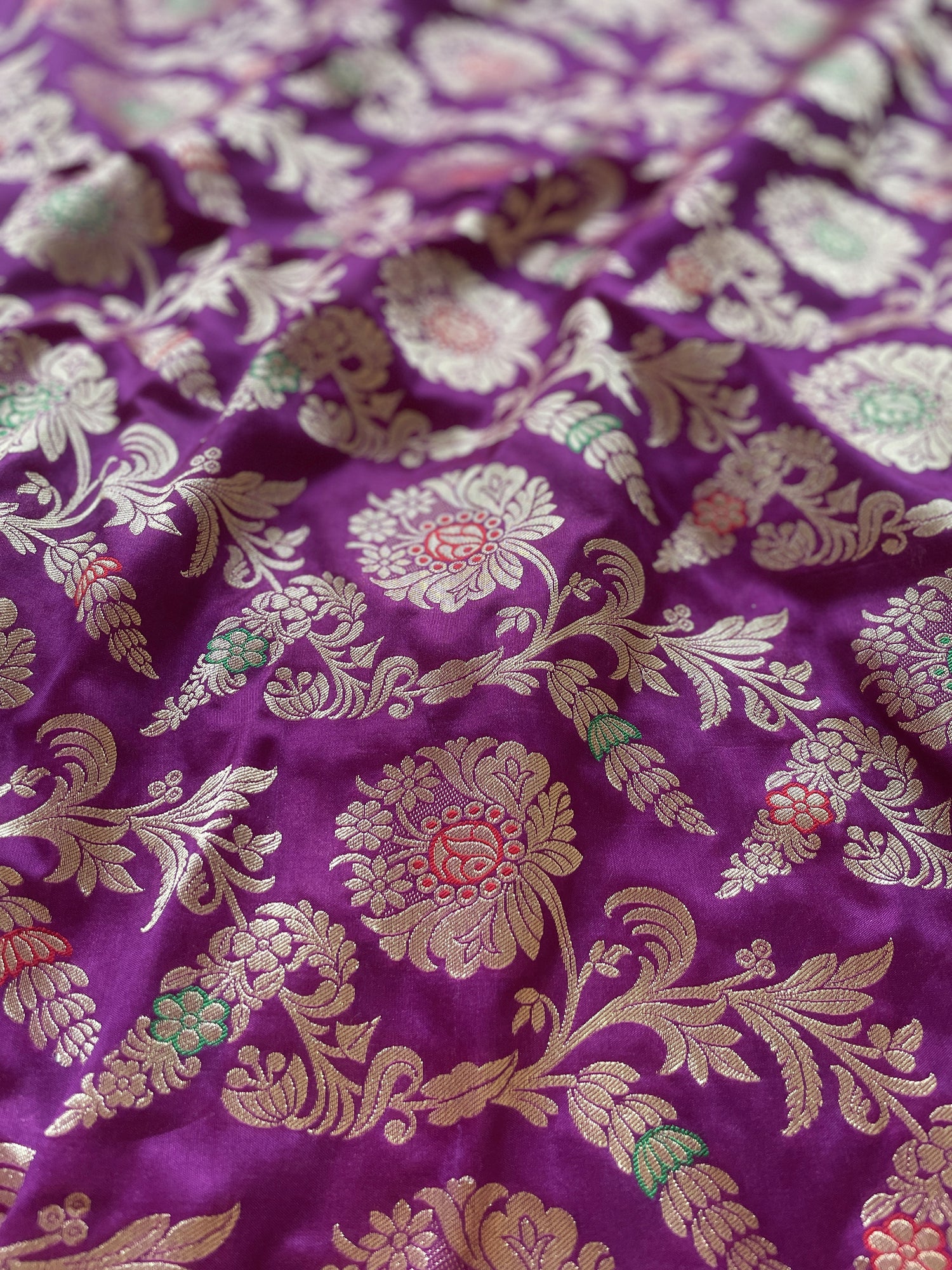


Expert tips focus on verifying authenticity, understanding fabric types like Katan and Tanchoi, checking zari quality, drape, and occasion suitability while shopping from trusted sources. Platforms like Umay Benaras make this easier with detailed descriptions, video calls, and pure handloom collections.
Choosing the right banarasi saree involves balancing tradition, quality, and personal style. These 7 expert-backed tips will help you make an informed decision online or in-store.
1. What Should You Know About Banarasi Saree Authenticity First?
Start by confirming the saree is a genuine handwoven banarasi silk saree from Varanasi weavers, featuring pure mulberry silk and real zari. Look for GI tag indicators, detailed provenance, and avoid suspiciously cheap machine-made imitations.
Authenticity ensures the piece lasts generations. Umay Benaras sources directly from Varanasi artisans with rigorous quality checks, offering transparency on weaves like Katan Kadhua and Bandhej.
2. How Do Fabric Types Influence Your Banarasi Saree Choice?
Different base fabrics determine weight, sheen, and suitability. Pure Katan silk offers classic luxury, while Georgette or soft silk provides lighter drape for comfort.
Popular Types at a Glance
-
Katan Silk: Heavyweight pure silk for formal banarasi saree look; e.g., Katan Kadhua Meenakari Jangla at Rs. 78,000 on Umay Benaras.
-
Tanchoi: Intricate satin weave with floral motifs; Resham Tanchoi Steel Grey around Rs. 25,500.
-
Bandhej: Tie-dye fusion on silk; Gajji Rai Dana options from Rs. 15,200 to premium highs.
-
Moonga/Tussar: Natural texture for breathable elegance (e.g., Rs. 25,000 range).
Match the fabric to your climate and occasion for the best experience.
3. Why Does Zari Quality and Weave Matter So Much?
Zari (gold/silver threads) defines richness and durability. Experts recommend checking for real metallic zari that doesn’t tarnish easily and handwoven (Kadhua) techniques over cheaper alternatives.
Intricate weaves like Meenakari, Jangla, or Booti add artistic value. Umay Benaras highlights meticulous warping, weaving, and inspection processes that ensure superior finish in their luxury handloom pieces.
4. How Should You Evaluate Drape, Weight, and Comfort?
A great banarasi silk saree drapes fluidly without stiffness. Lift a corner to test flow and feel the weight, modern luxury versions are lighter yet retain richness.
Expert Advice:
- Try virtual drape videos or request live calls.
- Lightweight options (e.g., soft silk weaving at Rs. 12,000) suit daily wear.
- Heavier Katan pieces excel for weddings.
Umay Benaras transforms traditional heavy looks into cozy, easy-to-carry ethnic wear.
5. What Role Does Occasion and Color Play in Selection?
Align your choice with the event: vibrant reds/golds for bridal, pastels for festivals, or muted tones for office. Consider skin tone, age, and personal style for a flattering banarasi saree look.
Umay Benaras categorizes collections for weddings, bridal, festivals, cocktail, and daily wear, making occasion-based selection straightforward.
6. How Can Budget and Value Guide Your Purchase?
Set a realistic budget while prioritizing quality over price. Authentic pieces range widely, invest in versatile heirlooms that offer long-term value.
The broader Indian saree market, valued at approximately USD 6.15 billion in 2025 and projected to reach USD 10.77 billion by 2034 (CAGR 6.43%), shows strong demand for premium handloom options.
At Umay Benaras, prices like Rs. 28,000 for multicolored Katan Kadhua or Rs. 36,500 for Resham Zari reflect fair artisan compensation and superior craftsmanship.
7. Why Is Shopping from Reputable Sources Essential?
Choose platforms with strong reviews, authenticity guarantees, customer support, and services like COD or video calls. This minimizes risks in online buying.
Umay Benaras stands out as curators of luxury handloom, offering free shipping, direct Varanasi sourcing, and one-of-a-kind pieces with multiple quality inspections.
Additional Expert Insights for Online Buyers
 Experts emphasize reading full product descriptions, comparing similar items, and using filters for price, color, and fabric. Request close-up images of borders, pallu, and motifs. Seasonal collections often feature trending designs like floral or minimalist zari work.
Quick Checklist
- Authenticity proof.
- Fabric and weave details.
- Drape test option.
- Occasion match.
- Budget-value balance.
- Seller reputation.
- Care instructions.
Conclusion
Choosing the perfect Banarasi saree is about finding the right balance between authenticity, craftsmanship, comfort, and personal style. By evaluating the fabric, weave, zari quality, occasion, and seller credibility, you can invest in a timeless piece that reflects both tradition and elegance. Whether you're buying for a wedding, festival, or everyday luxury, following these expert tips will help you make a confident and rewarding purchase.
FAQs
How can I spot a fake Banarasi saree online?
Check for vague descriptions, unrealistically low prices, and lack of artisan details. Genuine ones from sites like Umay Benaras mention specific weaves and undergo quality checks.
What is the ideal price range for a good quality banarasi silk saree?
Expect Rs. 12,000–25,000 for accessible luxury and Rs. 25,000–78,000+ for premium heirloom pieces, depending on complexity and materials.
Are lighter Banarasi sarees suitable for everyday wear?
Yes, modern soft silk, Georgette, and lightweight Katan variants offer comfort while maintaining the elegant banarasi saree look for daily or office use.


